
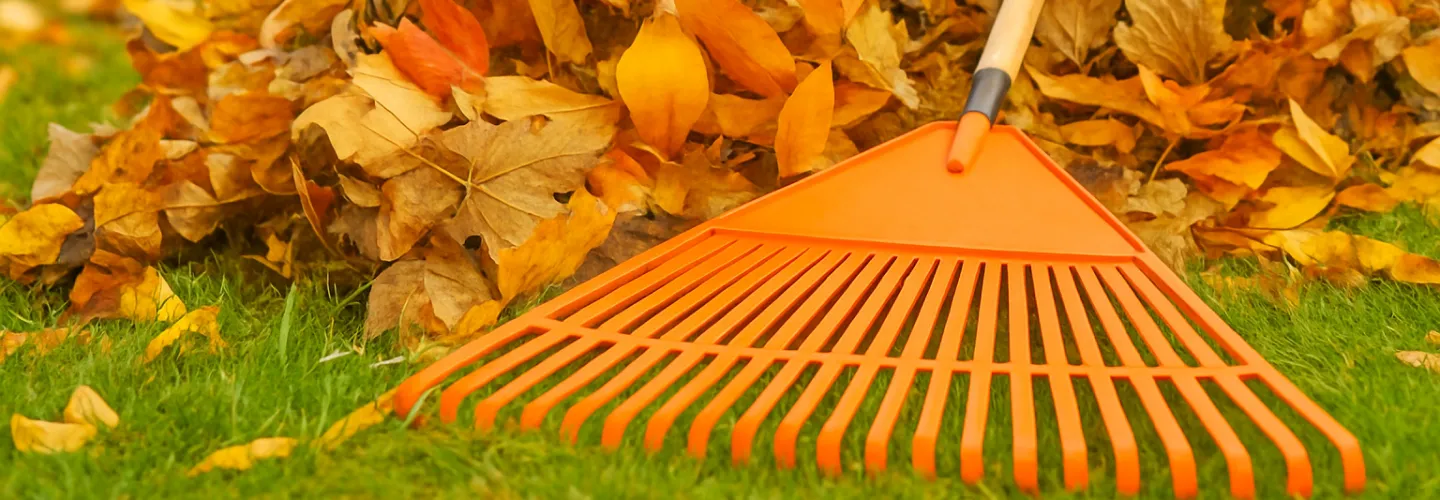
Renaissance Lawn Mowing Services
Choose Renaissance Lawn Mowing for reliable, professional service that keeps your yard looking immaculate week after week—because your home deserves the best curb appeal.
Get a Free QuoteOur Renaissance Landscaping & Yard Care Services
When to Schedule Lawn Mowing in Renaissance, Florida – Seasonal Guide
In Renaissance, Florida, timing your lawn mowing is crucial for maintaining a healthy, vibrant yard throughout the year. The region’s subtropical climate means grass grows vigorously from late spring through early fall, with peak growth typically occurring after the last frost in March and continuing until cooler temperatures arrive in November. Neighborhoods near Renaissance Park and along the scenic Lakeview Drive often experience microclimates—such as increased shade from mature oaks or higher humidity near water features—that can affect mowing frequency and timing.
Local environmental factors play a significant role in determining the best mowing schedule. For example, areas with sandy soils, common in Renaissance, may require more frequent mowing during rainy periods to prevent overgrowth, while shaded lots in communities like Willowbrook may see slower grass growth. It’s also important to consider municipal guidelines and seasonal drought risks, which can impact when and how often you mow. For more information on local regulations and best practices, visit the official Renaissance community resource.
Local Factors to Consider for Lawn Mowing in Renaissance
- Tree density and shade coverage (affects grass growth rate)
- Soil type (sandy vs. loamy soils influence water retention)
- Seasonal precipitation and drought risk
- Proximity to water features or wetlands
- Terrain and slope of your property
- Municipal restrictions or watering schedules
- Neighborhood-specific microclimates (e.g., near Renaissance Park or Lakeview Drive)
Benefits of Lawn Mowing in Renaissance

Professional Lawn Care Expertise
Consistent and Reliable Scheduling
Enhanced Curb Appeal
Time and Effort Savings
Eco-Friendly Landscaping Practices
Comprehensive Maintenance Solutions
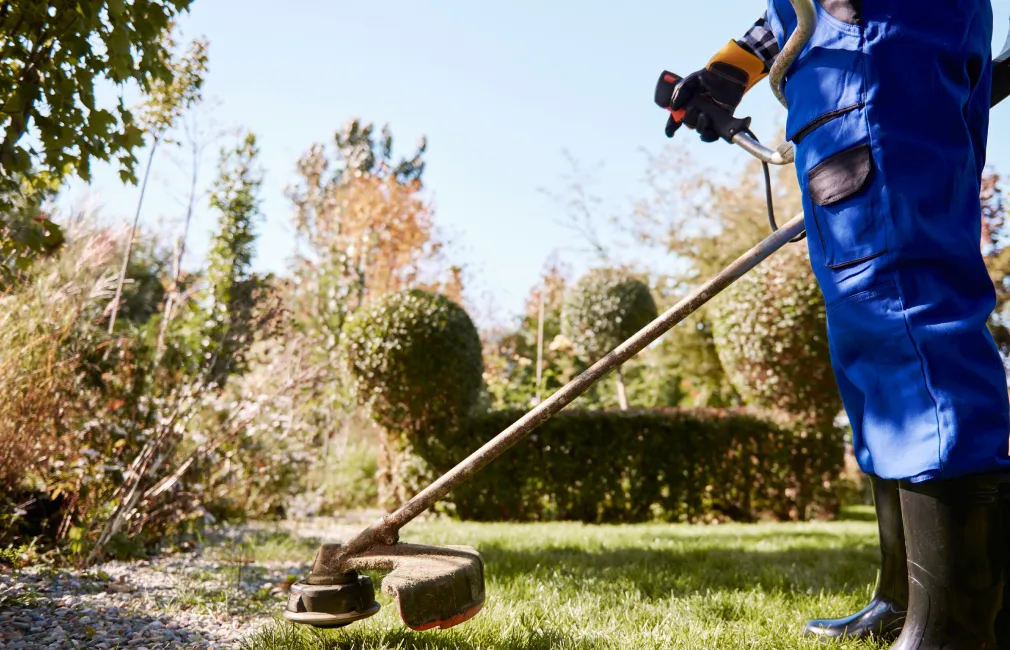
Renaissance Lawn Mowing Types

Standard Lawn Mowing
-
Mulching Mow
-
Bagging Mow
-
Striping Mow
-
Edging and Trimming
-
Seasonal Clean-Up Mow
-
High Grass Restoration
Our Lawn Mowing Process
Site Evaluation
Equipment Preparation
Mowing Execution
Edging and Trimming
Cleanup
Why Choose Renaissance Landscape Services
-
Renaissance Homeowners Trust Us
-
Expert Lawn Maintenance
-
Reliable Seasonal Cleanup
-
Competitive Pricing
-
Professional Team
-
Satisfaction Guarantee
-
Personalized Service
Coordinating Lawn Mowing with Renaissance’s Public Works and Drainage Programs
Lawn mowing in Renaissance, FL, is closely tied to municipal efforts to protect drainage infrastructure and maintain neighborhood appearance. Residents and property managers must ensure that grass clippings and yard debris are never left in streets, swales, or near storm drains, as these materials can obstruct water flow and contribute to nutrient pollution in local canals and lakes. The Lee County Public Works Department oversees vegetative debris collection and right-of-way maintenance, and may provide guidance on proper disposal or curbside pickup schedules. To support effective drainage and avoid code violations, property owners should:
- Collect and contain all clippings and debris for scheduled pickup
- Avoid blowing grass into streets, swales, or canal edges
- Keep mowing equipment clear of stormwater inlets and ditches
Municipal Contacts:
Lee County Public Works
1500 Monroe St, Renaissance, FL 33901
Official Website: Lee County Public Works
How Renaissance’s South Florida Climate and Soils Shape Lawn Mowing Needs
Renaissance is situated in South Florida’s tropical-subtropical urban coastal zone, which brings unique challenges for turf management. The area experiences intense summer heat, high humidity, and a pronounced wet season from late spring through early fall. These conditions accelerate turf growth, especially for St. Augustinegrass and bahiagrass, but also increase the risk of fungal diseases and rapid nutrient leaching from sandy or fill-based soils. Key local factors include:
- Sandy, fast-draining soils that require careful irrigation and fertilization
- High water table and frequent rainfall, leading to vigorous summer growth and potential runoff
- Salt exposure in coastal-adjacent areas, which can stress sensitive turf species
For more on regionally appropriate turf and maintenance, see UF/IFAS Gardening Solutions - Lawns and the USDA Plant Hardiness Zone Map.
Regulatory Requirements and Environmental Compliance for Lawn Mowing in Renaissance
Lawn mowing activities in Renaissance are subject to local and state regulations designed to protect water quality and neighborhood standards. While routine mowing does not require a permit, property owners must comply with municipal codes regarding debris management, noise, and right-of-way maintenance. The Florida DEP NPDES Stormwater Program outlines requirements for preventing grass clippings and fertilizers from entering storm drains, canals, and lakes. Additionally, the Florida-Friendly Fertilizer Ordinance may apply to adjacent fertilization activities, especially during the wet season. To remain compliant:
- Confirm yard waste collection procedures with Public Works
- Keep all clippings, sediment, and fertilizer granules out of curb inlets and swales
- Verify any irrigation restrictions with local utilities or water management districts
Municipal Contacts:
Lee County Water Quality
2120 Main St, Renaissance, FL 33901
Official Website: Lee County Water Quality
Professional Lawn Mowing Methods and Seasonal Timing in Renaissance
Effective lawn mowing in Renaissance requires adapting to the region’s rapid turf growth and environmental pressures. Professional standards recommend:
- Mowing St. Augustinegrass at 3.5–4 inches to reduce heat stress and promote deep rooting
- Increasing mowing frequency during the wet season (May–October) to keep up with accelerated growth
- Avoiding mowing when turf is saturated to prevent rutting and soil compaction
- Leaving clippings on the lawn when possible to recycle nutrients, unless excessive or likely to wash into drains
- Timing irrigation for early morning hours to minimize fungal risk and water loss
For additional guidance on mowing and irrigation, consult UF/IFAS Gardening Solutions - Lawn Maintenance and Care and EPA WaterSense Outdoors.
What Neighborhoods Do We Serve Throughout Renaissance, FL?
- Esplanade Lake Club
This community features newer fill-based lots, extensive irrigation, and adjacency to lakes and canals, requiring careful clipping management. - Pelican Preserve
Known for mature landscaping and shaded lots, mowing here often involves managing leaf debris and maintaining turf under tree canopies. - Reflection Isles
With a mix of waterfront and interior lots, this area faces drainage sensitivity and rapid turf growth during the wet season. - Colonial Country Club
Golf course proximity and HOA standards demand precise mowing heights and regular debris removal. - The Plantation
Larger lots and preserve edges mean mowing must account for wildlife corridors and stormwater swales. - Bridgetown at the Plantation
Newer subdivision fill soils and high irrigation use require attention to mowing timing and runoff prevention. - Legacy Gateway
Urban core context with smaller lots and limited shade, where mowing frequency is high and curbside debris management is essential.